
輕旅行浪潮下的新住宿策略-2019 西門捷絲旅新改裝 New Hospitality Strategy under Light Travel Trend— 2019 Redesign of Just Sleep Ximending
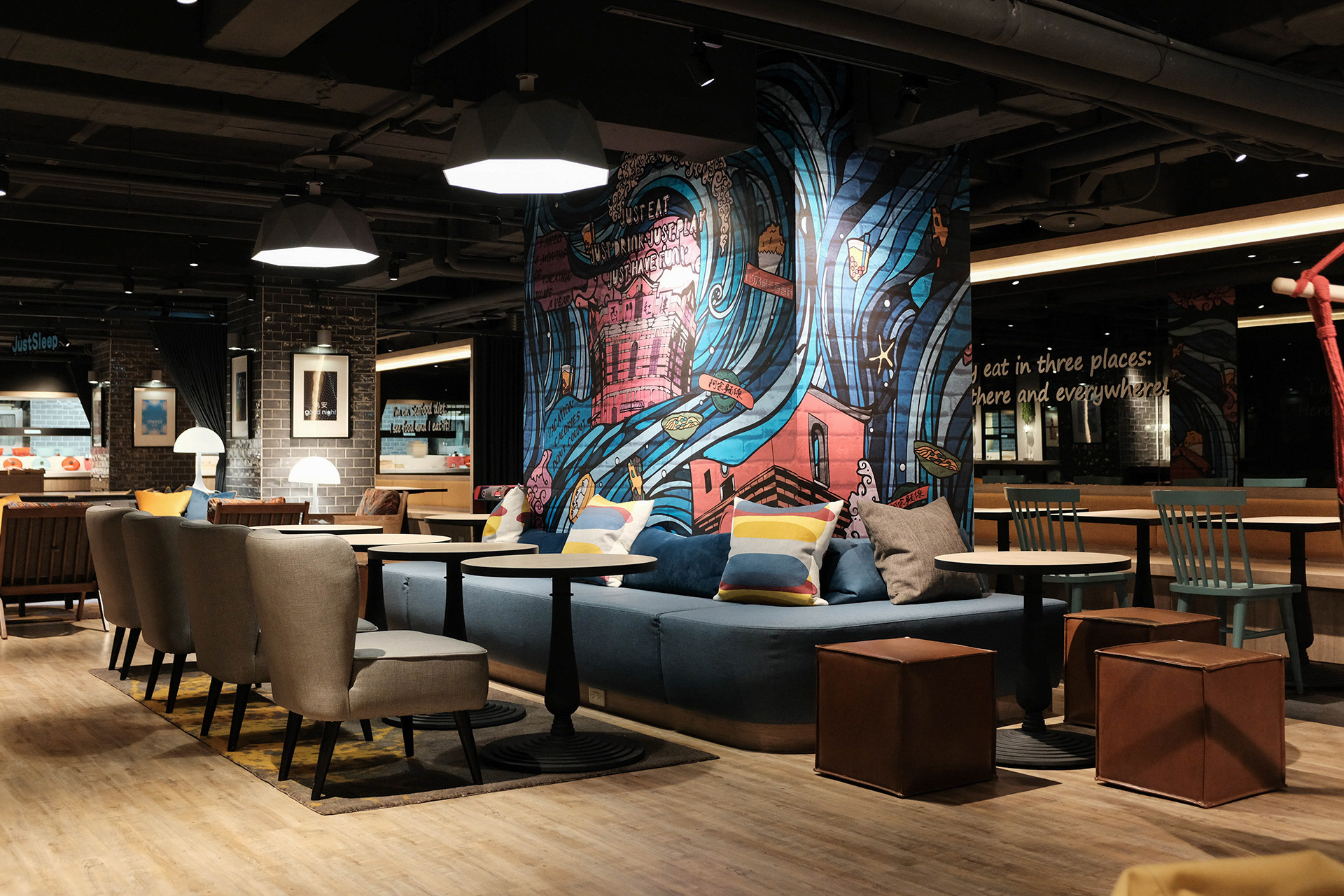
塗鴉風打卡牆
西門町長年以來是台北最具代表性的流行文化聚落之一,自日本時代以來便是娛樂重鎮,今日則融合了次文化、街頭藝術、音樂、影視、流行時尚等多元元素,成為年輕人最愛聚集的文化中心。
尤其以塗鴉文化最具代表性,從電影主題公園周邊牆面、巷弄轉角到美國街,皆可見台灣街頭藝術的創作痕跡,這些充滿個性與生命力的塗鴉作品,不僅讓城市面貌更鮮活,也象徵著西門町自由、開放、多元的精神。
Ximending has long been one of Taipei’s most iconic hubs of pop culture. Since the Japanese colonial era, it has been a center for entertainment, and today it blends a wide range of elements—subcultures, street art, music, film, and fashion—making it a cultural hotspot especially favored by the younger generation.
Graffiti culture is especially emblematic of Ximending. From the walls surrounding the Movie Theme Park and alleyway corners to the well-known America Street, traces of Taiwan’s street art can be seen throughout the area. These vivid and dynamic graffiti works not only bring greater vibrancy to the urban landscape, but also symbolize the spirit of freedom, openness, and diversity that defines Ximending.
一、市場趨勢:海外遊客逐年增長,飯店數量隨之增加,激化市場競爭 ( Market Trend: Increasing International Visitors and Intensified Hotel Competition )
根據北市觀傳局統計,西門町商圈觀光人潮台北第一。然而隨著海外遊客增長,西門町區域飯店數量逐年增加,旅宿業之間競爭加大,傳統以「舒適便利」為主訴求的「商務飯店」,逐漸難以在市場中脫穎而出。
對於來自海外、以輕旅行為主要型態的自由行旅客而言,他們所追求的不僅是一張床與標準化的服務,更希望能透過住宿「深入感受當地文化氛圍」。
According to statistics from the Taipei City Department of Information and Tourism, the Ximending commercial district ranks first in Taipei for tourist foot traffic. However, with the steady increase in international visitors, the number of hotels in the Ximending area has grown year by year, intensifying competition within the hospitality industry. Traditional “business hotels,” which primarily emphasize comfort and convenience, are finding it increasingly difficult to stand out in the market.
For overseas independent travelers who favor light travel, what they seek is not just a bed and standardized service, but an opportunity to immerse themselves in the local cultural atmosphere through their accommodation experience.
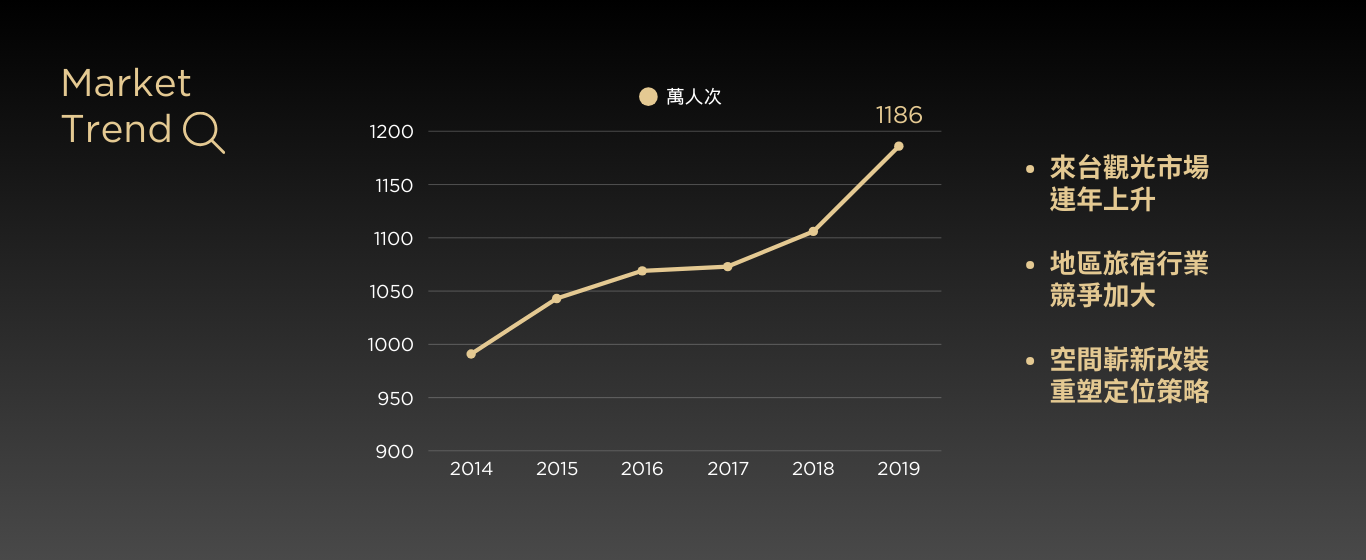
2019年,來台觀光市場迎來高峰,全年突破1186萬人次
2019年,來台觀光市場迎來高峰,全年突破1186萬人次,尤以來自日本與韓國的短期自由行旅客佔比最高。
這類旅客多偏好「輕旅行」型態,住宿預算有限,卻也期望有一定質感與舒適度,還有著更多的在地特色體驗,催生出介於青年旅館與設計旅宿之間,並且有別於傳統商務飯店的「Poshtel」概念。
In 2019, Taiwan’s tourism industry reached a peak, with over 11.86 million international arrivals throughout the year.
Among them, short-term independent travelers from Japan and South Korea made up the largest proportion. These travelers typically preferred a style of travel known as "light travel"—characterized by limited accommodation budgets but a desire for a certain level of quality, comfort, and authentic local experiences. This demand gave rise to the concept of the “Poshtel”—a hybrid between a youth hostel and a design hotel, offering more refined experiences than hostels while remaining distinct from traditional business hotels.
二、設計定位:不止於舒適,以體驗創造競爭優勢 ( Design Positioning: Beyond Comfort, Competing Through Experience in Today’s Market )
隨著「體驗經濟」成為全球旅遊與消費市場的重要趨勢,旅客不再滿足於標準化的服務與制式空間,更傾向尋求獨特、在地、具有情感連結的體驗。
在這樣的消費脈絡下,飯店業不再只是提供「過夜功能」的場所,而是進入一場「故事與記憶的競賽」,飯店需提供更多元且有感的價值,才能在高度競爭的市場中脫穎而出。
As the experience economy becomes a dominant trend in the global tourism and consumer markets, travelers are no longer satisfied with standardized services and generic spaces. Instead, they seek unique, localized, and emotionally resonant experiences.
Within this consumer context, hotels are no longer merely places to spend the night—they have entered a competition of stories and memories, where providing diverse and meaningful value is essential to stand out in an increasingly competitive market.
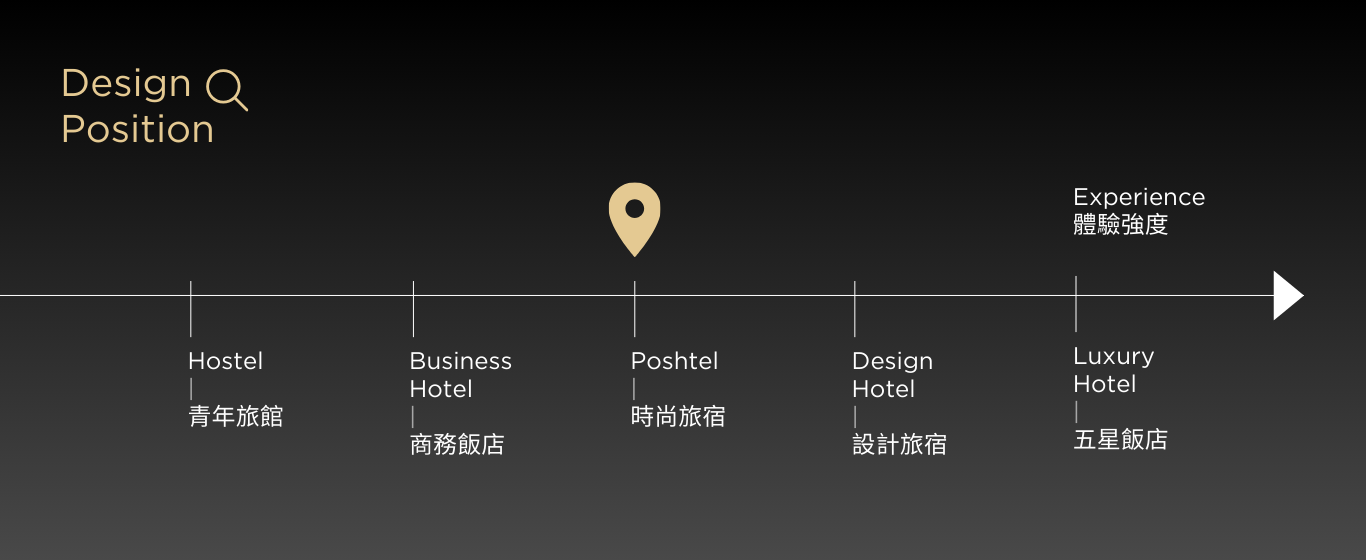
較高的體驗,具優勢的價格
在此背景下,Poshtel 模式應運而生並快速嶄露頭角。它以合理的價格,提供兼具質感、設計與文化連結的住宿體驗,特別受到年輕自由行旅客與國際輕旅客的青睞。
透過公共空間的社交設計、在地文化的視覺轉譯與鄰里生活的情報整合,Poshtel 不僅提供一個落腳之處,更成為探索城市的起點。
也因此,設計不再只是「美感的呈現」,而是成為經營體驗的手段。在體驗經濟浪潮下,能否創造出旅客願意拍照、願意分享、甚至願意回訪的場景,正是當代飯店設計是否成功的關鍵指標。
Against this backdrop, the Poshtel model emerged and quickly gained prominence. By offering a reasonably priced accommodation experience that combines quality, design, and cultural connection, it has become particularly popular among young independent travelers and international light travelers.
Through socially-oriented public spaces, visual interpretations of local culture, and curated neighborhood insights, a Poshtel becomes more than just a place to stay—it becomes a starting point for exploring the city.
As such, design is no longer merely an expression of aesthetics, but a strategic tool for curating experiences. In the era of the experience economy, the ability to create spaces that guests want to photograph, share, and return to has become a key measure of success in contemporary hotel design.
三、目標客群:輕旅行浪潮下,追求自由、體驗、社交 ( Target Audience: The Light Travel Generation Seeking Freedom, Experience, and Connection )
「輕旅行」在日本泛指一種「短時間、低預算、輕裝備、講求自由與彈性」,說走就走的旅遊方式。
這個概念大約從2000年代後期開始流行,尤其在社群媒體推波助瀾下,「一人旅、閨蜜結伴的女子旅、週末快閃」等趨勢成為都市人舒壓的新選項。
“Light travel” is a term commonly used in Japan to describe a travel style that is short in duration, low in budget, light in packing, and emphasizes freedom and flexibility.
This concept began gaining popularity in the late 2000s, and with the rise of social media, trends such as solo travel, girls’ trips with close friends, and quick weekend getaways have become popular ways for urban dwellers to relieve stress.
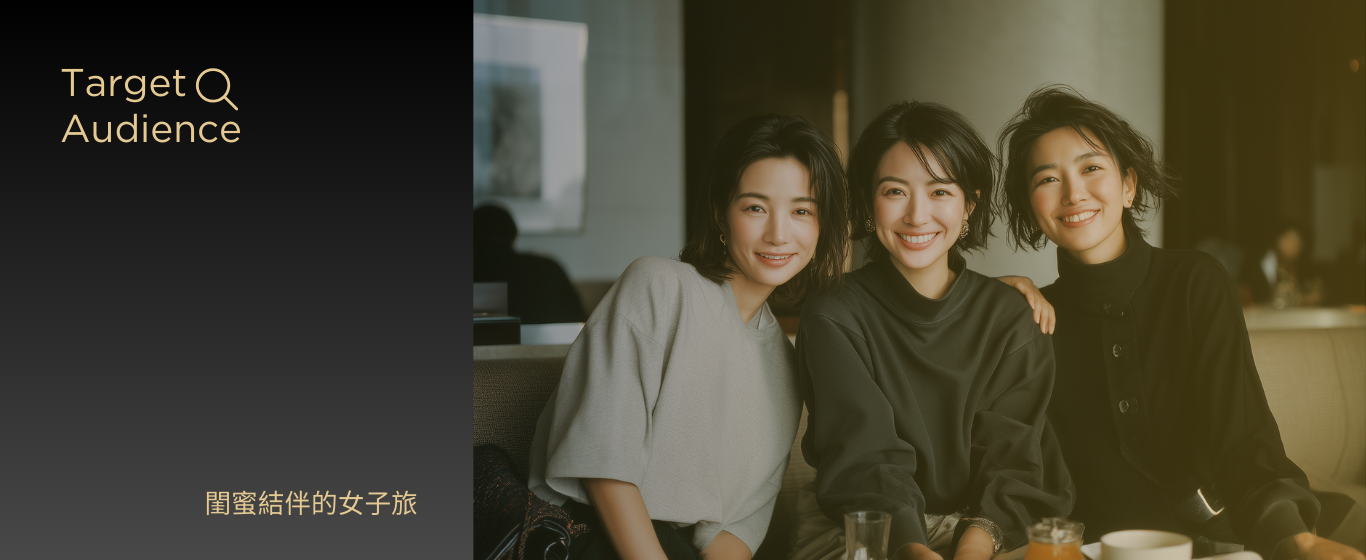
海外輕旅遊-女子旅
Poshtel 模式不僅回應了輕旅行族群對價格與質感的雙重需求,更強調「社交屬性」作為空間設計的重要核心。相較於傳統飯店強調私密與機能,Poshtel 的公共空間則被視為促進交流與探索的場域。
The Poshtel model not only addresses the dual demands of budget-conscious travelers for affordability and quality, but also places strong emphasis on social interaction as a core element of spatial design. Unlike traditional hotels that prioritize privacy and functionality, Poshtels treat communal areas as spaces for connection and exploration.
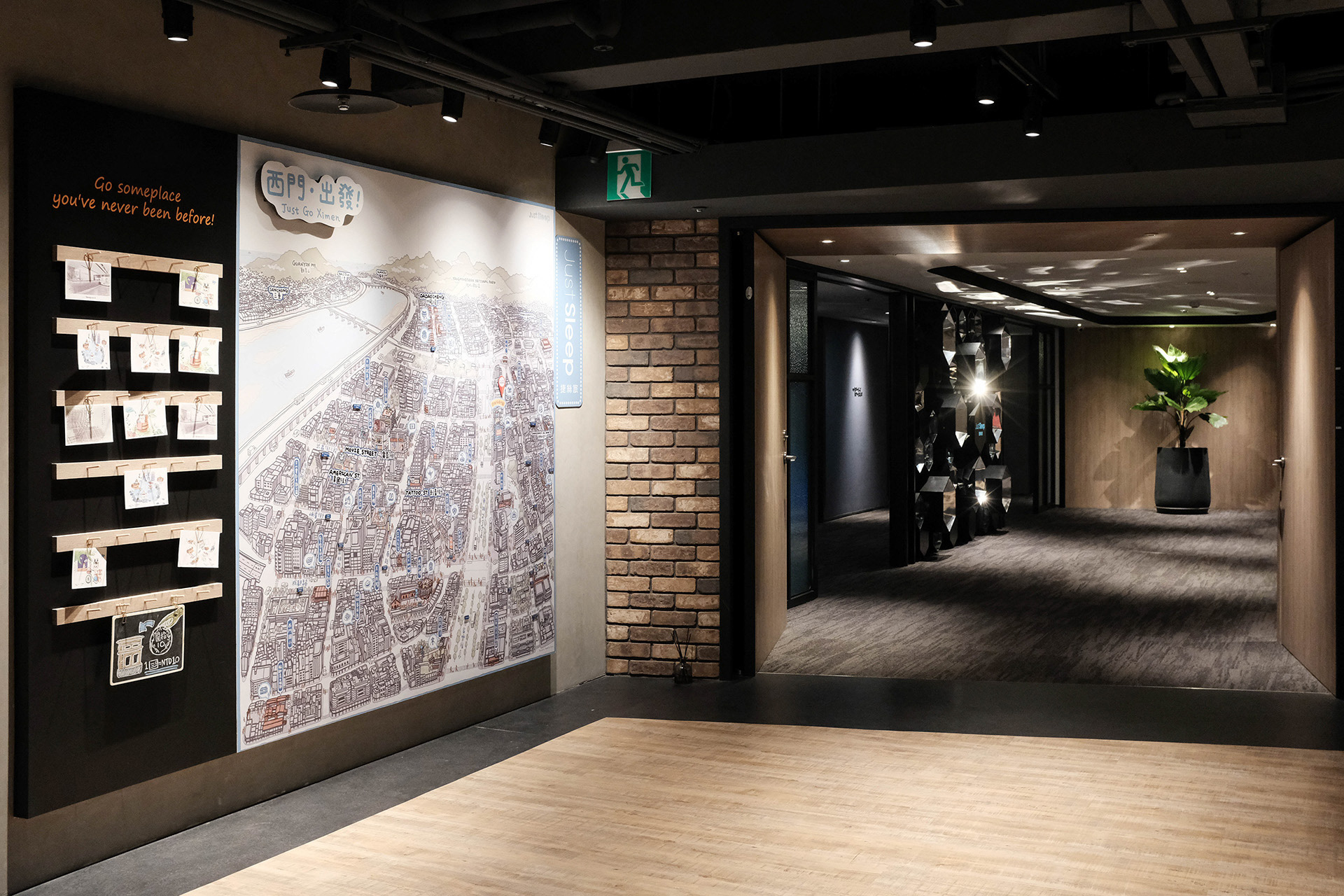
鄰里地圖-地區特色導覽
多樣化座位形式的共享空間,從高腳吧台、懶人沙發區,到適合工作與交流的長桌配置,鼓勵來自不同地區的旅客在此自然互動、分享旅程。
而大廳作為迎賓與交流的核心節點,更設置了「鄰里地圖」牆面,推薦旅客探索周邊的特色小店、巷弄美食與在地文化景點。
這些看似簡單的設計細節,實則回應了輕旅行者渴望「在地連結」的心理需求。
透過這些設計策略,我們不只是提供一個過夜的地方,而是創造一段能與城市對話、與人連結的旅行記憶。
The shared space offers a variety of seating arrangements—from high bar counters and cozy lounge sofas to long tables suited for work and conversation—encouraging travelers from different regions to interact naturally and share their journeys.
The lobby, serving as both a welcome zone and a social hub, features a “Neighborhood Map” wall that recommends nearby hidden gems, local eateries, and cultural attractions.
These seemingly simple design details actually respond to light travelers’ deep desire for local connection.
Through these design strategies, we go beyond merely providing a place to sleep—we create a travel experience where guests can connect with the city and engage with others, leaving behind memorable stories rooted in the destination.
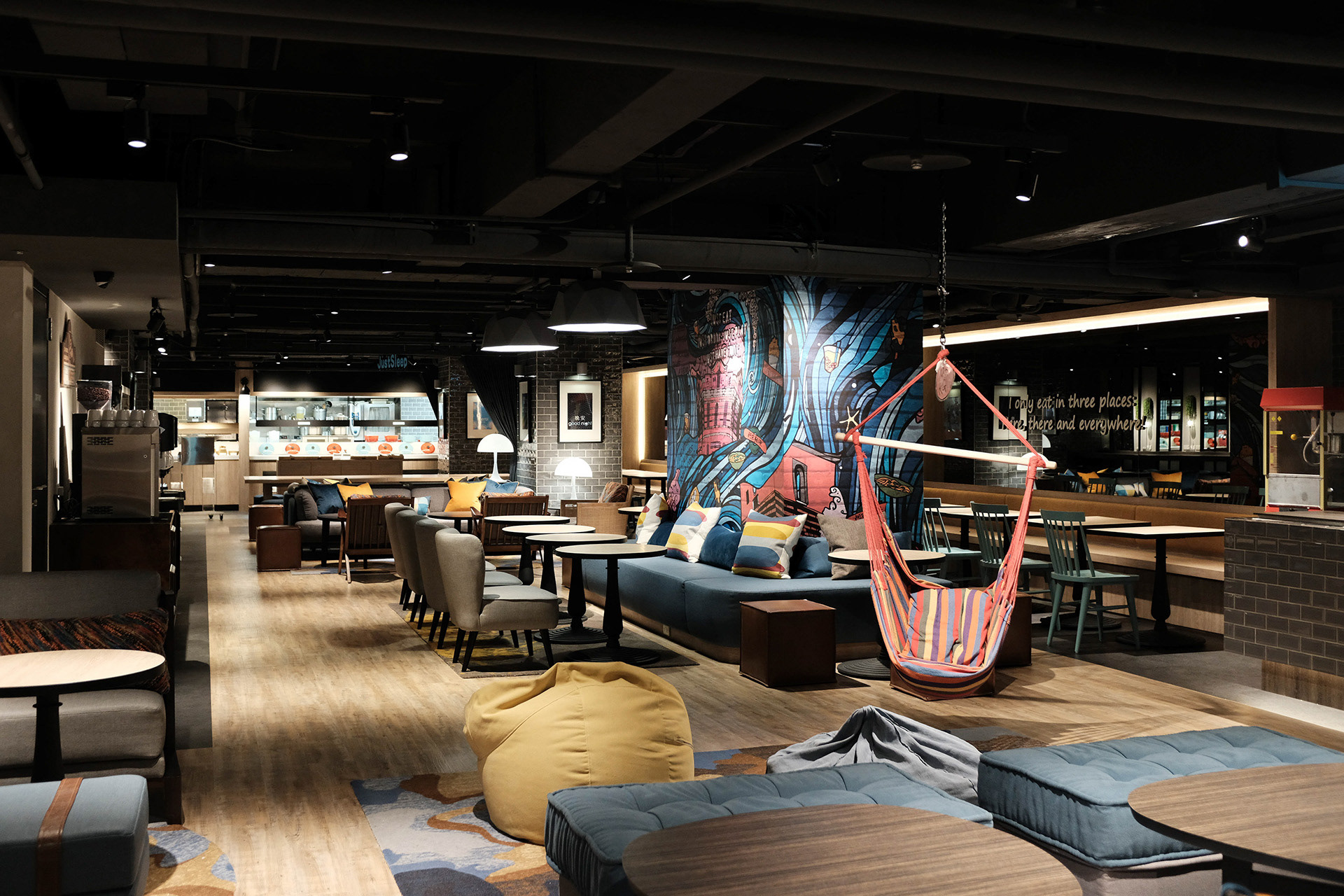
交誼空間提供多樣性的座位型態
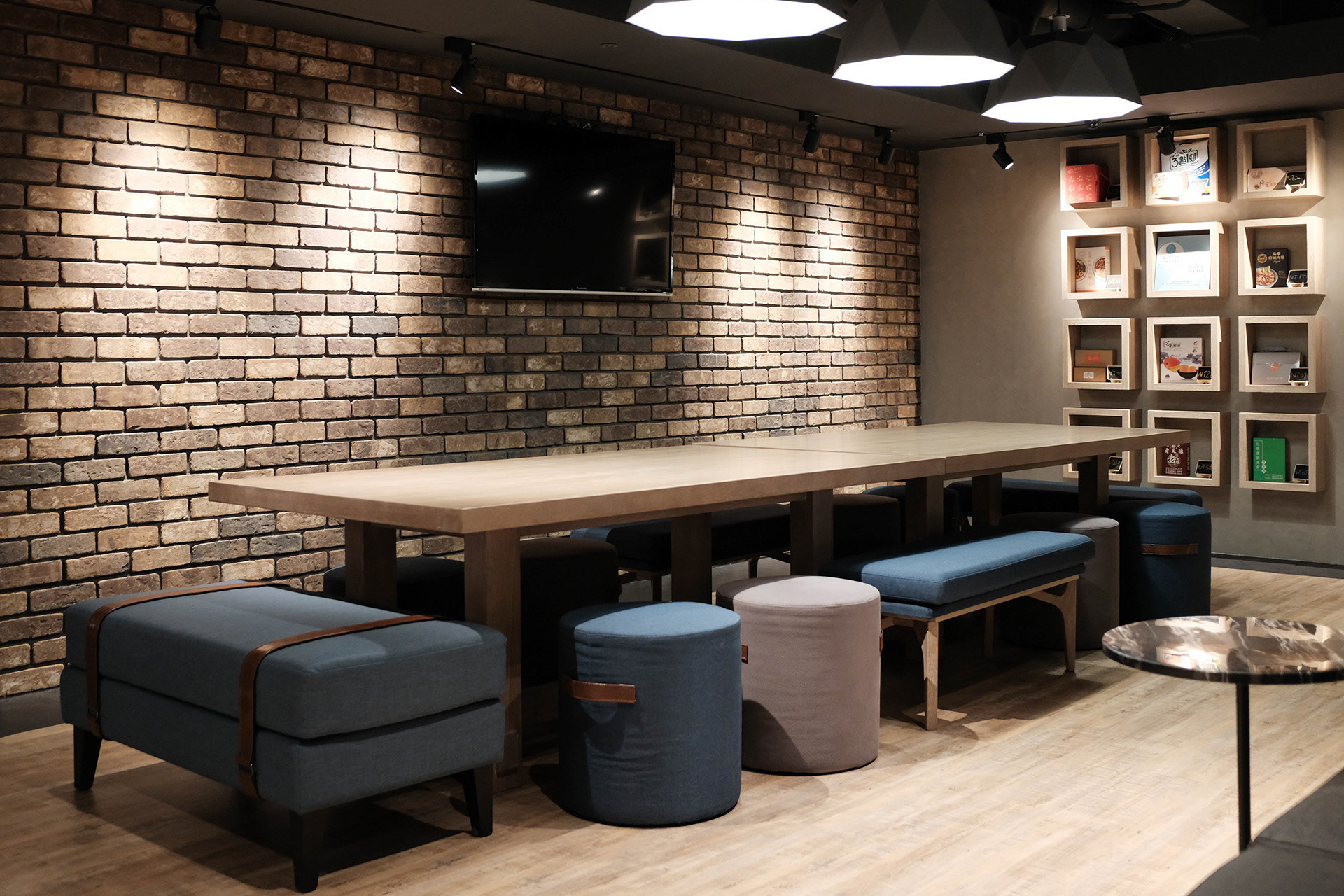
大長桌
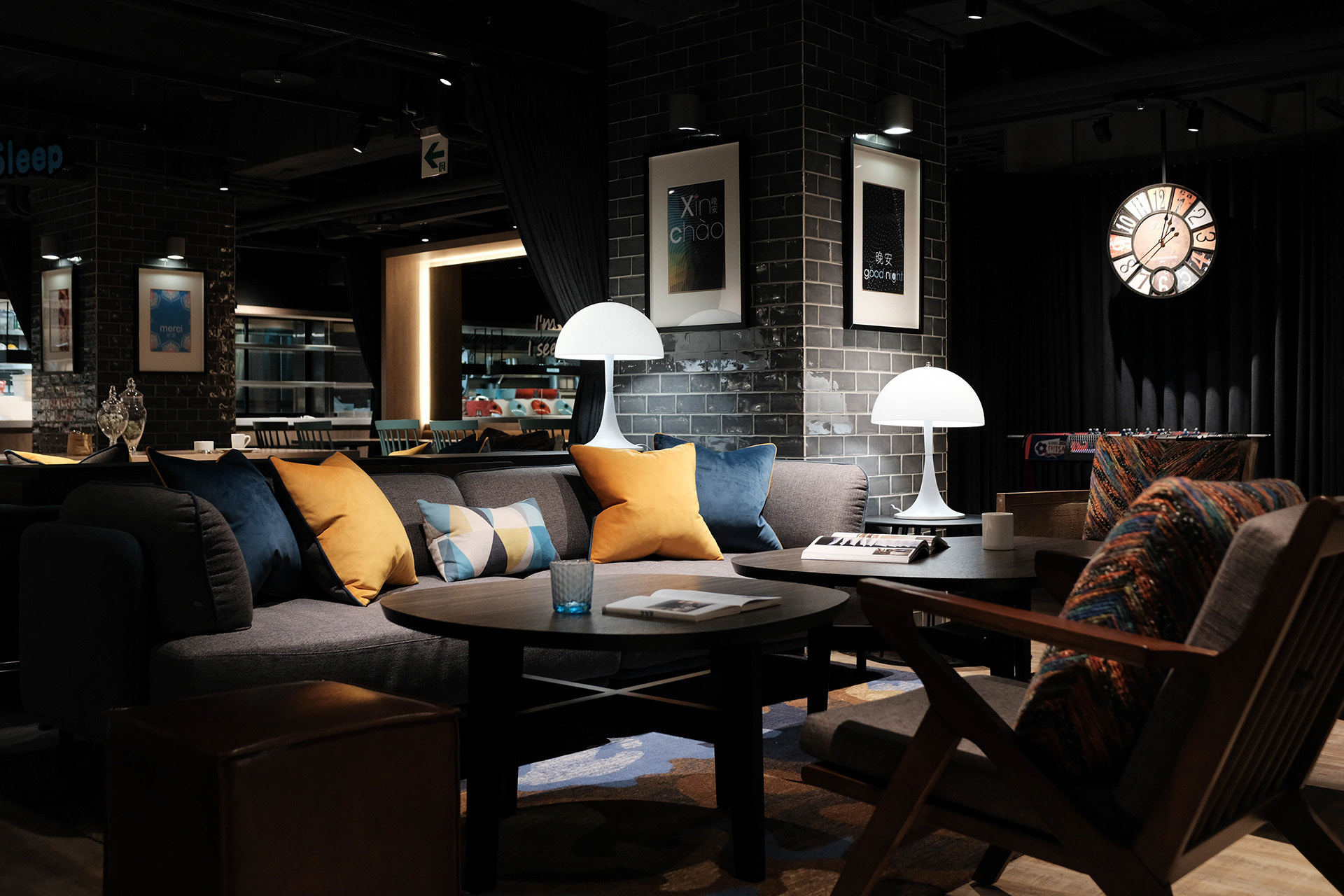
沙發區
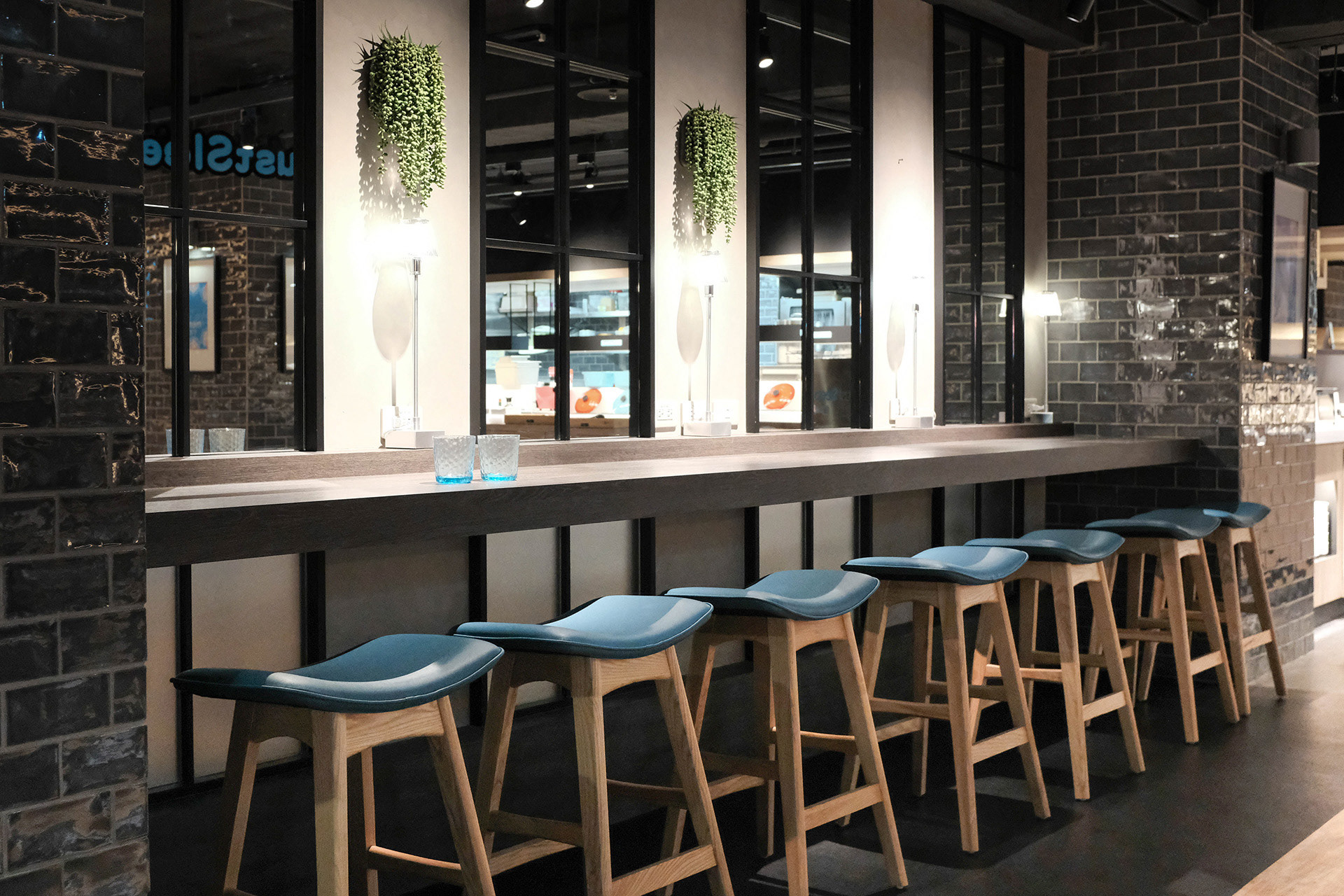
高吧檯
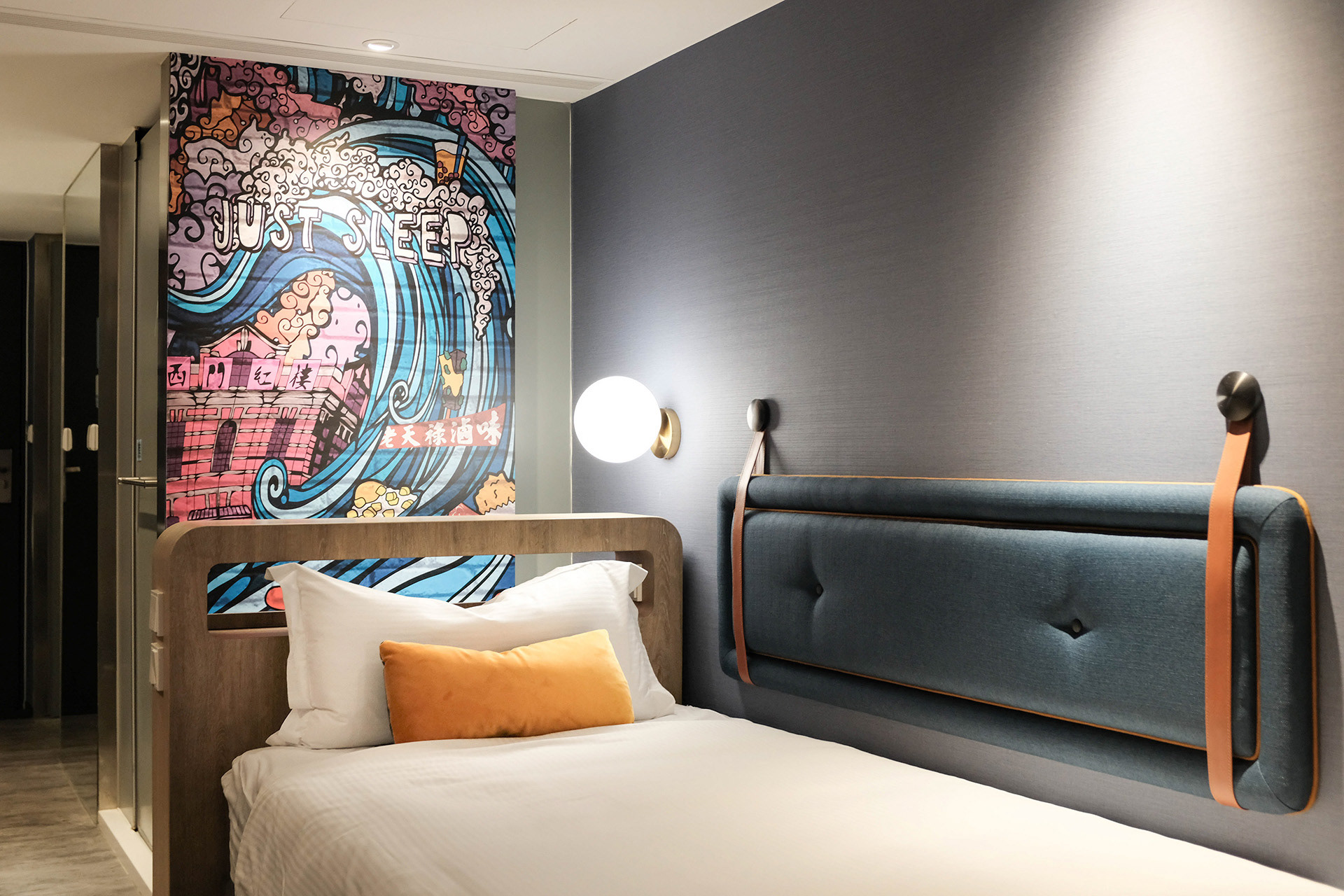
客房
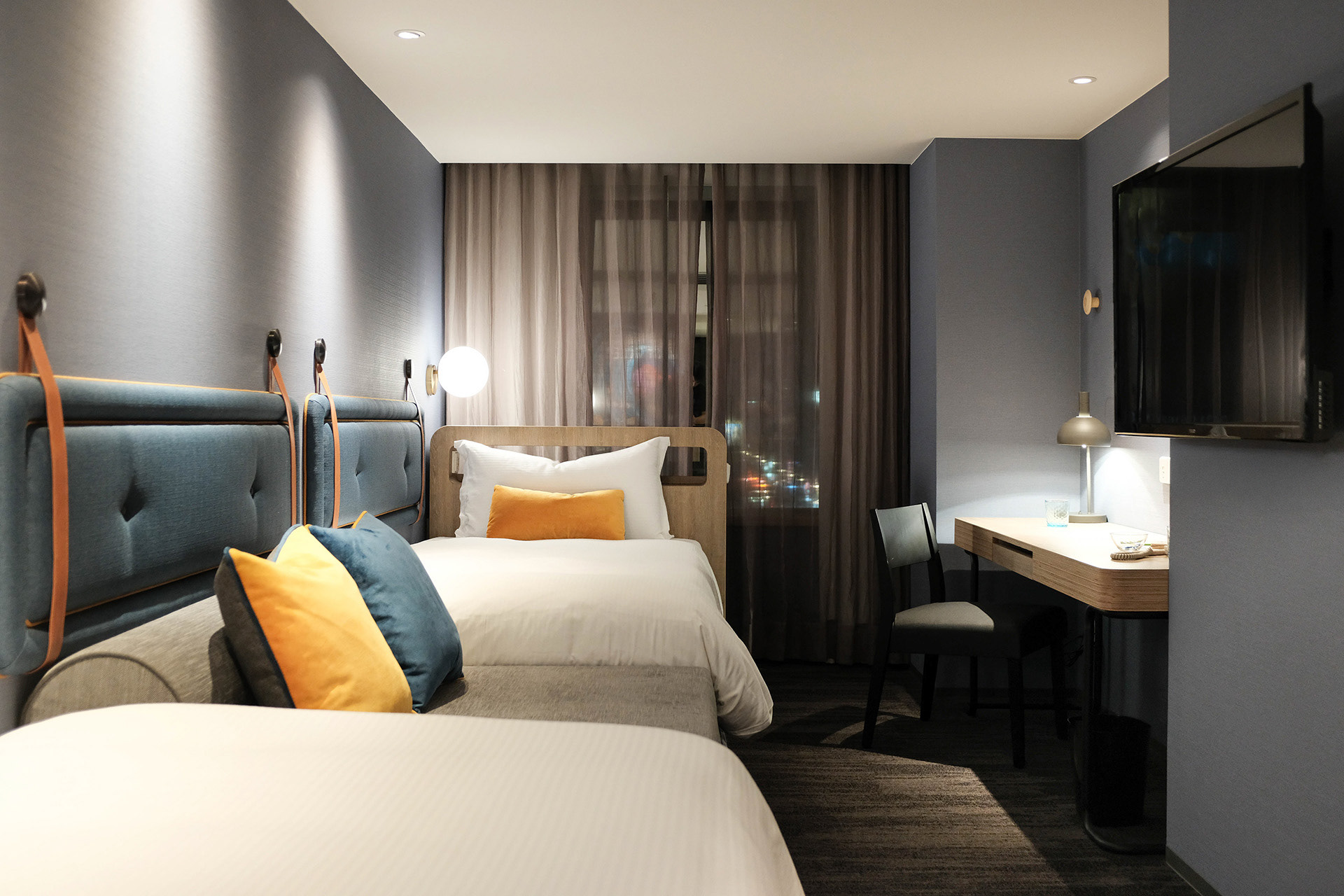
客房
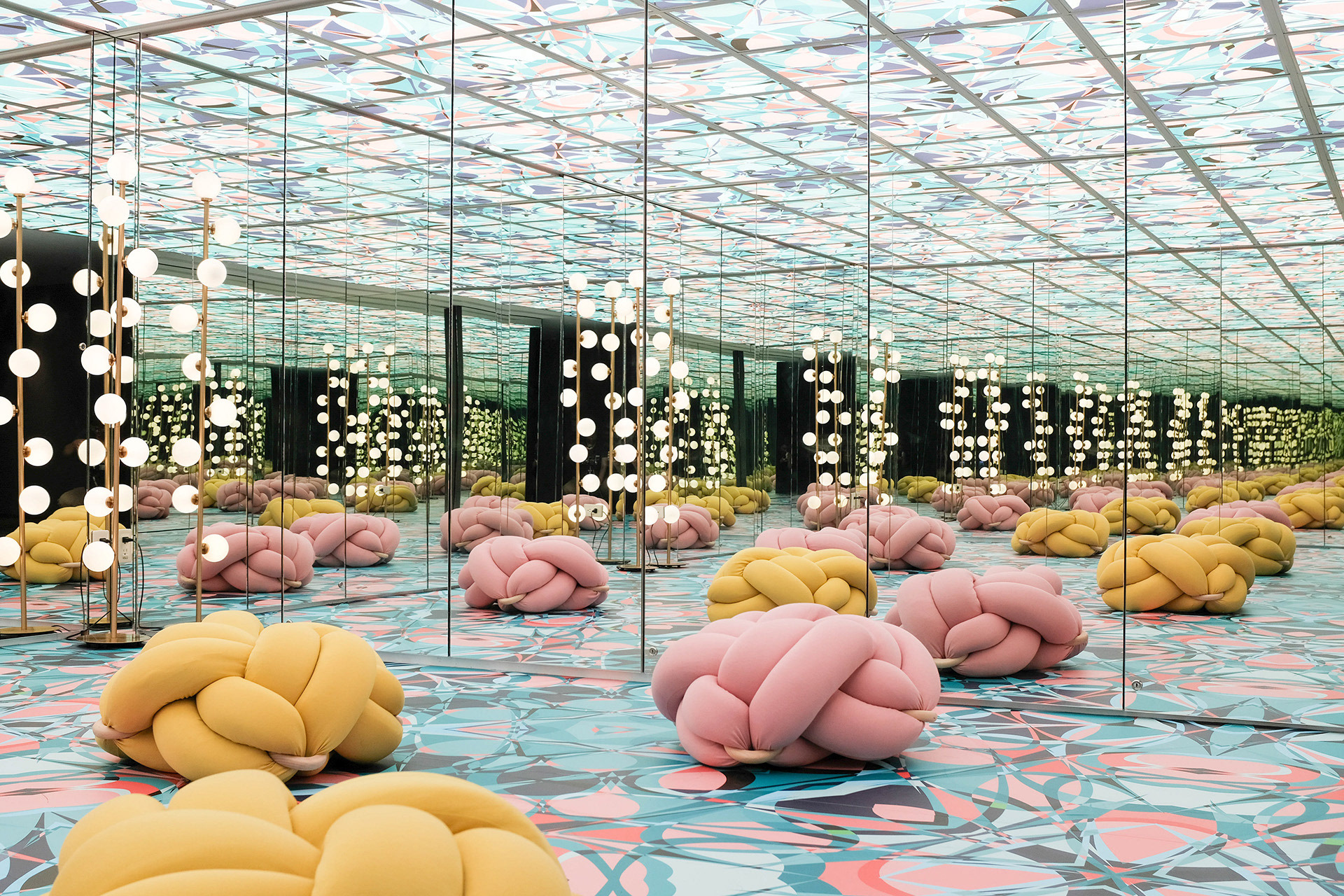
打卡空間
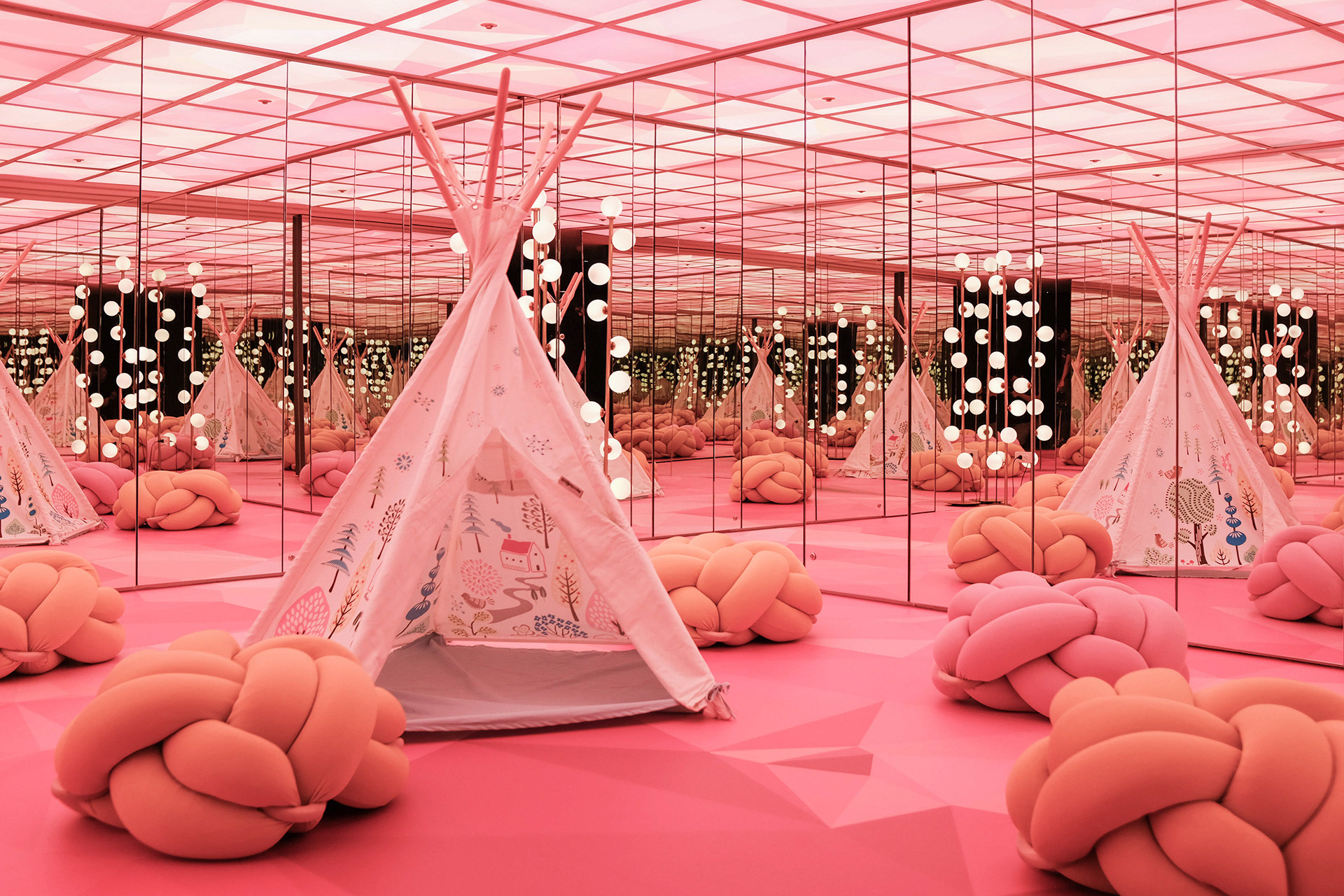
打卡空間
四、空間設計 X 商業策略 ( Interior Design X Business Strategy )
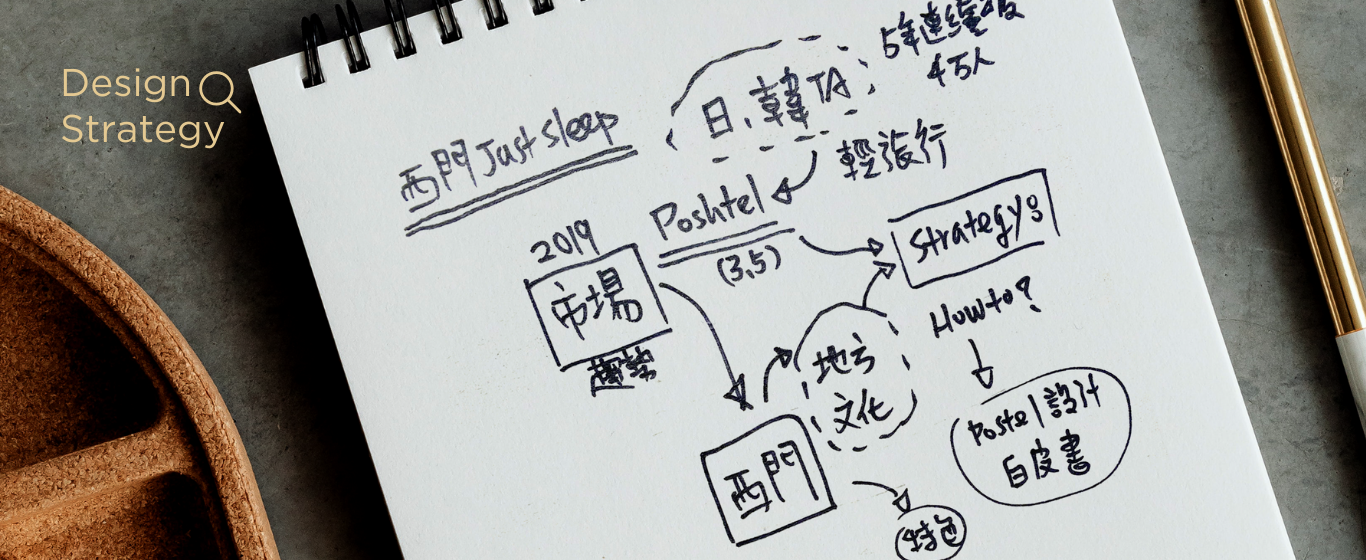
「Poshtel」這種介於青年旅館與設計飯店之間的住宿形式,在「價格上具備競爭力」,在空間與體驗上則「注重質感與文化意象的塑造」。
透過將西門町的街區特色、流行文化與歷史背景融入設計中,賦予旅客更多探索與連結的可能,從而創造出差異化的住宿體驗,在同質化的飯店市場中建立起清晰的品牌定位與競爭優勢。
The “Poshtel” model, a hybrid form of accommodation between a youth hostel and a design hotel, offers competitive pricing while placing strong emphasis on quality and the expression of cultural identity in both space and experience.
By incorporating the unique characteristics of Ximending’s neighborhoods—its street culture, pop influences, and historical context—into the design, it provides travelers with more opportunities for exploration and connection. This approach creates a distinctive lodging experience and establishes a clear brand identity and competitive edge within a highly homogenized hotel market.
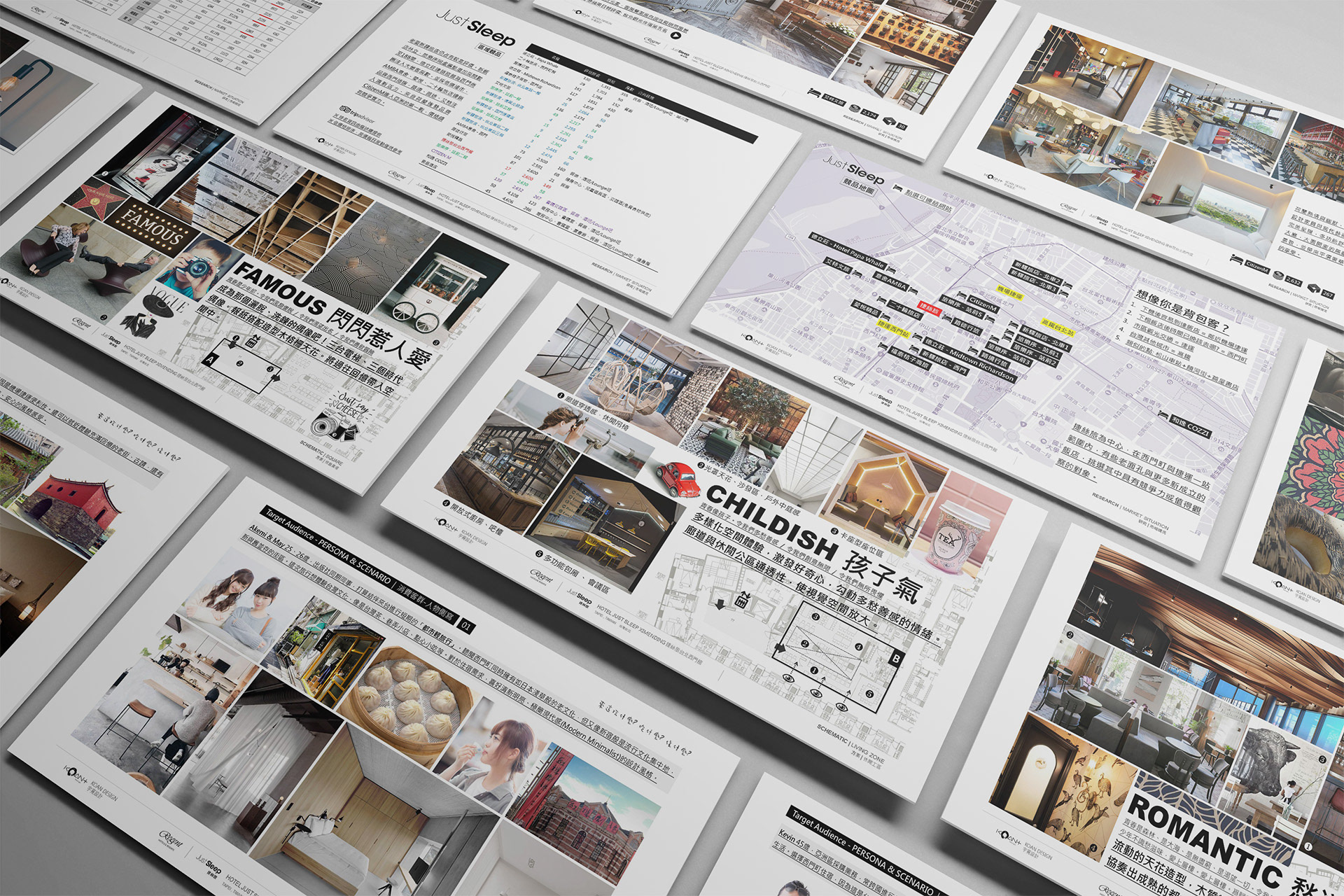
2017年製作的西門町飯店市場分析